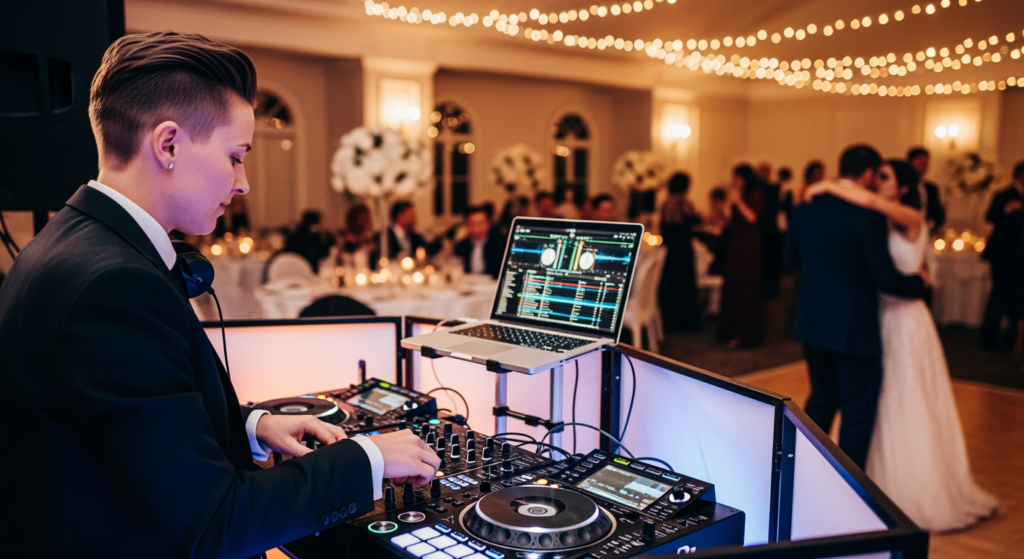
Picking the right soundtrack for one of the most important days of your life can feel overwhelming, but it’s also one of the most fun decisions you’ll make together. If you’re researching wedding djs, you’re in the right place — and it’s smart to look at official guidance on gatherings and events as you plan, like the general event and safety information available at GOV.UK. I’ll walk you through the latest trends, practical steps, and simple checks so you can book a DJ who reads the room, backs up their gear, and makes your reception feel uniquely yours.
Why the DJ matters more than you think
People often picture the venue, dress, or menu when they imagine a wedding, but the music is the emotional engine that carries the day. A great DJ keeps energy flowing from the drinks reception through the first dance to the final send-off. They patch awkward schedule gaps, create moments where guests feel comfortable getting up and dancing, and make sure both older and younger guests have something to enjoy. A DJ who knows how to blend ceremony music, background sets, and high-energy dance anthems can transform a good wedding into a memorable night.
Top industry trends to watch this season
As someone who follows wedding entertainment closely, I’m seeing a few consistent trends that couples are leaning into. First, micro-weddings and intimate celebrations continue to be popular for couples who want more quality time with guests. That affects how DJs program music — more thoughtful mixes and live-set style transitions rather than long peak-time playlists. Second, hybrid weddings with livestreamed ceremonies have grown in popularity. DJs are adapting by coordinating with AV teams and supplying clean, broadcast-ready audio feeds.
Other trends include curated first-dance medleys, vinyl or retro-themed sets for cocktail hours, and wellness-minded receptions that use softer, acoustic-driven music earlier in the day before building to dance-floor hits at night. Lighting and small production touches are also becoming essential; couples now expect a DJ to offer basic uplighting or to work seamlessly with a lighting supplier for dramatic moments like the confetti drop or the final song.
How to narrow down your DJ shortlist
Start by thinking about the vibe you want. Do you picture a packed club-style dance floor from the first minute, or a relaxed evening where conversation and cocktails are the focus until later? Once you have that, use these practical steps to screen candidates and find the best fit.
Quick pre-booking checks
- Listen to sample mixes or live event clips to see how they read a crowd and transition between genres.
- Check reviews and testimonials for long-form observations about punctuality, equipment reliability, and how they handle requests.
- Confirm that they carry backup equipment and have an AV plan for outdoor or multi-location weddings.
- Ask about insurance and public liability — a professional DJ should be insured for events.
What to ask in your DJ interview
A 20–30 minute call can reveal a lot. I recommend covering logistics first, then getting into style and problem-solving. Here are the high-impact questions I ask or recommend couples ask when they’re vetting a DJ.
- Can you describe a typical timeline of the day for you? When do you arrive, set up, and run sound checks?
- How do you collect must-play and do-not-play lists from couples? Do you build a custom playlist together?
- What happens if your equipment fails? Do you use battery backups, spare laptops, or a secondary sound system?
- How do you handle requests from guests that don’t fit the overall vibe?
Pricing and what’s included
Pricing varies widely depending on experience, equipment, travel, and whether the DJ provides lighting or takes on MC duties. Expect clear packages to include a set number of hours, basic sound and lighting, a wireless microphone for speeches, and travel within a certain radius. Always check whether VAT or service fees are included and whether overtime is charged by the hour.
Paying a bit more for experience and reliability often pays off. I’ve worked events where budget DJs struggled with unexpected weather or venue quirks; in contrast, seasoned pros arrive with contingency plans that keep the day moving smoothly.
Music planning: making your playlist personal without losing the crowd
Balancing personal taste with crowd-pleasers is an art. I tell couples to focus on three columns: must-plays, mood-guides, and hard no’s. Must-plays include ceremony songs, first dance, and a few personal favourites. Mood-guides are genres or eras you want heard at certain parts of the day (e.g., acoustic for dinner, Motown for early dancing, current pop for late-night). Do-not-play lists prevent awkward moments.
It’s fine to be specific about one or two special moments — and then allow the DJ to read the room. Many DJs are skilled at smoothing transitions when guests surprise you with unexpected energy. If you want to be hands-on, schedule a playlist planning session 6–8 weeks before the wedding so the DJ has time to craft a flow.
Logistics and venue coordination
Your DJ should check the venue’s sound restrictions, parking and load-in access, and power availability ahead of time. Outdoor ceremonies often need wind screens or wireless mics, and many venues limit amplified music times or decibel levels. A professional DJ will liaise directly with the venue’s events manager and other suppliers (like live bands or AV companies) to create a single, reliable timeline.
If you’re planning multiple locations — for instance ceremony at a chapel and reception at a barn — confirm whether the DJ can provide transport of gear between sites or if you’ll need two separate setups. Also discuss set breaks and whether background music will continue during meal service.
Common problems and how a DJ solves them
Weddings are lively, and small issues arise. Here are typical pain points and how a good DJ handles them:
- Unexpected schedule shifts — DJs keep a flexible setlist and can extend or shorten sets to sync with changes in the day.
- Bad sound at the venue — professionals bring PA options and will perform sound checks; they also know how to EQ for tricky acoustics.
- Guest requests that clash with the couple’s vibe — they diplomatically manage requests while honouring the couple’s curated do-not-play list.
- Weather complications for outdoor events — they coordinate with you and the venue to switch to a backup indoor plan and protect equipment.
Day-of timeline templates
Here are two simple timeline templates I’ve used many times. Share one with your DJ so they can prepare music cues, announcements, and lighting changes.
Intimate wedding timeline
Arrival and sound check 1–2 hours before guests. Background music during the drinks reception that’s mellow and playlist-driven. Acoustic or low-key set during dinner. Short transition to first dance with lighting cue. Two DJ sets after dinner with one short break for speeches and cake cutting. Close with a high-energy finale and last-song request.
Full reception timeline
Early afternoon arrival for venue walk-through. Ceremony playlist including prelude, processional, and recessional. Cocktail hour mix with vinyl or jazz-inspired set. Dinner mix with soft instrumentals or curated covers. Announcements, first dance, and then an extended dance set with a tailored peak that shifts genres to accommodate different age groups. End with a classic send-off song and staged photo moment.
How to read reviews for real insight
When I read reviews, I look for patterns. One glowing review is nice, but consistent comments about punctuality, handling difficult guests, and how the DJ transitioned between ceremony and reception are invaluable. Photos and videos from weddings can show how the DJ’s setup fits in different rooms and how lighting affects mood. If you see repeated praise for communication and flexibility, that’s a good sign the DJ will be calm and capable on your day.
Two trending tech & safety considerations
First, hybrid livestreaming is more accessible than ever. If you plan to stream the ceremony, your DJ should be able to provide a clean feed or work with the videographer to ensure audience microphones and music levels are balanced. Second, health and safety remain important; DJs should bring disinfectant wipes, cable covers, and a tidy setup to reduce trip hazards. These small practices protect guests and make the venue manager’s job easier.
Checklist before you sign
Before you confirm, make sure the DJ provides a written contract that covers date, hours, fees, overtime rules, cancellation policy, what equipment is included, and liability insurance. Confirm a backup plan if the primary DJ becomes unavailable, and set a clear deadline for your final playlist and do-not-play list.
Final tips from someone who’s been behind the decks
I always tell couples: trust the person you hire to be a pro, but stay clear on the things that matter most. Communicate three must-haves, three no-go songs, and any moments where you want a particular mood. Let your DJ work their craft around those anchors. When a DJ feels like part of your team — coordinating with the photographer, venue, and caterer — the day runs smoothly and everyone relaxes into the celebration.
If you’re still weighing options, start by setting a short list of priorities: budget, vibe, and logistics. Then book a call with two or three DJs who match those priorities and compare not just price, but how they respond to last-minute changes and whether they offer references from recent weddings. A confident, communicative DJ will ease your planning stress and keep the party breathing with the right mix of hits and surprises.
Ready to hear music that fits your story? For help booking experienced, reliable entertainers who specialise in weddings in this area, get in touch with Spin Sisters at Spin Sisters and let them help you build a soundtrack for your whole day.