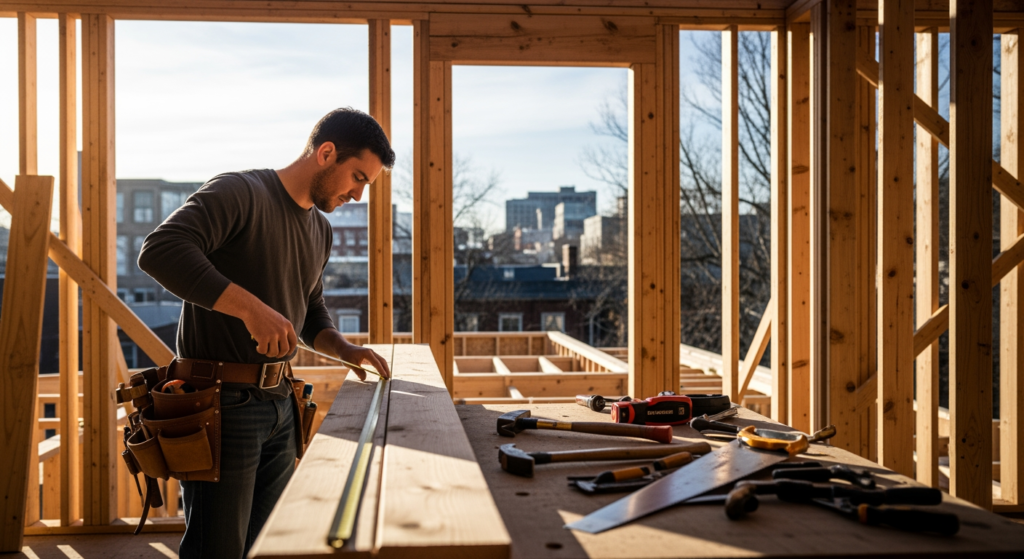
If you need a reliable carpenter in athens ga, you want someone who understands local homes, materials, and weather. The Athens area keeps growing and changing; according to recent Census estimates the region has a population around 127,000 and steady housing activity, which means more renovations and repairs across neighborhoods from Five Points to Normaltown. For context on regional growth and housing trends I often check national resources like the U.S. Census to see how demand shapes local home services.
Why skilled carpentry matters in this area
Athens has a mix of classic bungalow homes, Victorian-era houses, mid-century builds, and newer infill properties near the university. That variety means carpentry work must be flexible: a repair approach that protects historic trim is different from installing a modern open-shelf kitchen. I’ve seen projects where a small structural fix prevented much larger moisture damage later on, and that’s common here because of the local climate. Summers are humid and winters can bring intermittent storms, so rot, settling, and wood movement are frequent issues for homeowners.
Good carpentry does three things at once: it improves how a space looks, it protects the home, and it adds measurable value. Whether you’re restoring original casings in a downtown home or building a low-maintenance deck for outdoor entertaining, the right skillset keeps costs down and timelines predictable.
Common carpentry services homeowners ask for
Not all carpenters offer the same services. Here are the most requested jobs I see around Athens and what they typically involve:
- Trim and finish carpentry — baseboards, crown molding, door and window casings, stair trim, and built-in shelving that elevate a room’s appearance.
- Framing and structural repairs — fixing joists, headers, or framing members when settling or water has caused damage.
- Decks and exterior woodwork — new decks, stairs, railings, pergolas, and porch repairs using pressure-treated lumber or composite materials.
- Custom cabinetry and built-ins — bookcases, entertainment centers, pantry systems, and bespoke storage solutions tailored to odd layouts.
- Door and window adjustments — repairing warped doors, replacing thresholds, or installing new windows and casings for better performance.
Decks and outdoor living spaces
Outdoor living is a big trend here. Homeowners want durable decks that resist mold and rot and that require little maintenance. Composite decking and stainless fasteners are common choices now, but pressure-treated wood remains a cost-effective option. A skilled carpenter will advise on substructure design, spacing, and ventilation so your deck lasts and passes inspections.
Interior millwork and custom solutions
Built-ins and trim can transform a small space into something special. I recommend looking for carpentry portfolios that show consistent, clean work — tight miters, level shelves, and flush joints are signs of craftsmanship. Custom solutions also require attention to finishes and how materials will age in our climate, so be sure to ask how different woods and paints will perform over time.
How to choose the right carpenter in Athens GA
Selecting a carpenter is more than picking the lowest bid. I follow a simple checklist to evaluate pros and explain it to homeowners so they know what matters most.
- Credentials and insurance — confirm general liability and workers’ comp where applicable and ask to see certificates. Proper insurance protects you and the crew if something goes wrong.
- Portfolio and references — ask for recent photos of completed jobs similar to yours and follow up with references or online reviews to hear about real experiences.
- Written estimates and clear scope — get a detailed quote that lists materials, labor, allowances for unknowns, and timelines so there are fewer surprises.
- Permits and code knowledge — a skilled carpenter knows when a permit is required and can coordinate with local inspectors or suggest when to involve a structural contractor.
Questions I recommend asking every hopeful hire
Before you sign anything, ask direct questions that reveal how the carpenter works on-site and handles problems. Here are the questions that cut through the fluff:
- How long have you been working in this area and what kinds of projects do you do most?
- Who will be on-site each day and how will changes to scope be handled?
- Can you show examples of similar projects and provide client contact info?
- What warranties do you provide on labor and materials?
Cost expectations and current trends that affect pricing
Carpentry pricing varies based on skill level, materials, and the complexity of the work. In this market you’ll see three common pricing models: flat bids for defined scopes, time-and-materials for open-ended work, and unit pricing for repetitive tasks. Lumber and material costs have softened from the highs seen in recent years, but specialty hardware, custom millwork, and rapid lead times on certain trims can still add to final costs.
Two trends shaping costs and choices right now are sustainability and prefab solutions. Homeowners are opting for responsibly sourced lumber, low-VOC finishes, and reclaimed wood for dramatic features. At the same time, shop-built components and modular stair parts reduce on-site time and can lower labor costs without sacrificing quality.
How to save money without cutting quality
You don’t have to choose between saving and getting good work. These steps help you control budget while protecting the project outcome:
- Group projects together to reduce mobilization costs and get better pricing on materials.
- Choose standard sizes for doors and cabinets to avoid expensive custom milling.
- Prepare the site ahead of time by clearing access and securing pets, reducing setup delays.
Typical timeline and what affects scheduling
Small repairs often finish in a day or two. Medium remodels can span several weeks. New decks or custom built-ins may take multiple weeks when factoring drying time, finishing, and coordination with other trades. Weather plays a role for exterior work; spring and summer are busiest, so book earlier if you need work done before fall entertaining season.
Clear communication about milestones helps a project stay on schedule. Ask for a basic timeline that includes start date, key checkpoints, and expected finishing touches. A carpenter who communicates proactively will tell you when inspections are needed and how delays are handled.
How a carpenter solves common homeowner pain points
Here are a few common problems and the practical ways a qualified carpenter addresses them:
Squeaky stairs — I start by locating the movement, then reinforce or shim treads and secure stringers to remove the noise. Often the fix is quick but needs close attention to avoid over-tightening and splitting wood.
Rotting trim or fascia — the key is removing affected material, treating surrounding wood for moisture, and improving flashing or drainage so the problem doesn’t return. Proper paint and caulk detail complete the repair.
Warped doors and windows — trimming jambs, planing, or rehanging can restore proper operation. In some cases, replacing the unit is more cost-effective than repeated adjustments.
Poorly fitting cabinets or shelves — a precise carpenter will modify framing or build custom fillers to make installations look factory-made. Small gaps or uneven reveals are fixable with custom trim or shims followed by careful finish work.
Verifying workmanship and protecting your investment
Always get work documented. A clear contract, a payment schedule tied to milestones, and a warranty on labor reduce risk. I advise homeowners to keep the following in their folder for every project: written estimate, signed contract, copies of insurance certificates, and before-and-after photos. If a contractor uses subcontractors, confirm their insurance and ask for lien waivers upon final payment to keep you protected.
Reviews and portfolios help, but nothing replaces a solid conversation about expectations. Ask to see samples of materials or request a mock-up for complicated trim profiles so you know the final look before full installation.
Local insights and trends to watch
In Athens the following are growing trends you’ll see more often and that influence carpentry decisions:
1) Outdoor living upgrades — screen porches, low-maintenance decks, and outdoor kitchens are in demand as people look for usable yard space. Materials that resist mildew and stains are popular here because of humidity.
2) Energy-conscious retrofits — homeowners are pairing carpentry work with insulation upgrades, better window trims, and tighter door seals to reduce drafts and utility bills. Thoughtful carpentry can make energy-efficiency measures more effective and longer lasting.
Next steps to get your project moving
Start by gathering inspiration photos and a basic scope of what you want done. Then reach out to two or three carpenters to compare portfolios, ask the checklist questions above, and request written estimates. If the project is large, consider phasing it so you can prioritize the most important work first.
When you interview potential carpenters, focus on communication and problem-solving. Skill is essential, but a craftsman who explains choices, timelines, and trade-offs clearly will save you time and money—and reduce headaches during the project.
I’ve helped homeowners across Athens and surrounding neighborhoods plan projects that look great and stand up to local conditions. If you’re ready to discuss your next repair or renovation, contact Tipton’s Fine Tuned Carpentry to set up a consultation and get a detailed estimate.