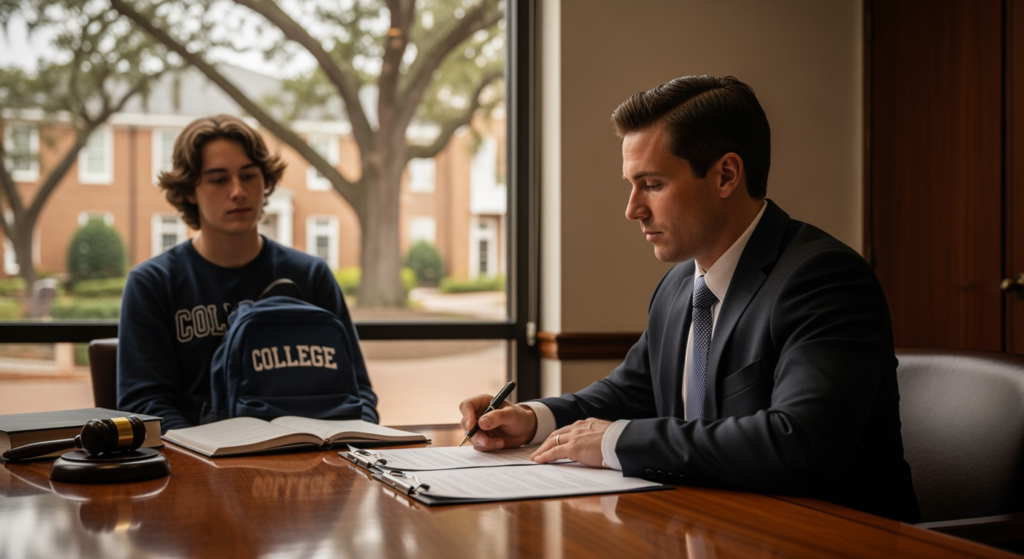
I know how fast a college misstep can spiral into a serious problem. If you’re searching for an UGA student defense lawyer, you’re looking for help that understands both campus life and the local legal system. The University of Georgia enrolls tens of thousands of students and the overlap between academic rules and criminal law can be confusing, which is why knowing your rights and options matters now more than ever. For an overview of the university and its size, see the University of Georgia homepage.
Why students at the University of Georgia face unique legal risks
College years are a time of experimentation, close living quarters, and high visibility. In Athens, GA, a student’s conduct can trigger two separate processes: a campus disciplinary proceeding under university policies and a criminal or municipal case in Clarke County courts. These are separate tracks with different standards, timelines, and possible penalties. It’s common for students to underestimate the long-term consequences of a university finding or a criminal conviction. That’s where focused defense experience matters: you need someone who knows campus procedures and how they interact with local law enforcement and the courts.
Common situations where students need a defense lawyer
Students come to me with a wide range of problems. Some issues are academic and administrative, while others may involve criminal charges. Here are the most common situations I see:
- Alcohol- or drug-related incidents, including underage possession or distribution and intoxication on campus or in neighborhoods near downtown and Five Points.
- DUI arrests on Prince Avenue, Broad Street, or routes students commonly use to leave campus at night.
- Assault allegations stemming from fights off-campus, at parties, or near local venues.
- Title IX complaints and sexual misconduct allegations handled through university adjudication and separate criminal processes.
How a student defense lawyer helps right away
The first 48 hours after an arrest or a university referral are critical. A lawyer’s immediate actions can limit damage to your record, preserve important legal defenses, and protect your academic standing. I approach these cases with clear, practical steps geared toward students’ schedules and priorities.
- Explain your rights and the difference between campus discipline and criminal charges so you can make informed choices.
- Communicate with university administrators and local prosecutors to reduce surprise outcomes and buy time when necessary.
- Preserve evidence, identify witnesses, and collect surveillance or electronic records before they vanish.
- Build a defense strategy that aims to minimize academic penalties, avoid criminal conviction, or secure a favorable plea when appropriate.
What happens in a campus disciplinary hearing
University hearings are not criminal court, but the consequences can affect scholarships, housing, internships, and your degree. Hearings at UGA or any major public university usually follow a set procedure: notification, investigation, hearing, and appeal. Unlike criminal cases, the university often uses a lower burden of proof and can sanction students for violations of the student code even when there’s no criminal conviction.
Expect the university to ask for statements, witness interviews, and sometimes evidence that you didn’t even realize would be considered relevant. A lawyer who has acted in campus hearings can help you prepare a defense statement, present witnesses in your favor, and negotiate mitigations like community service or education programs instead of suspension or expulsion.
Key rights to protect during a hearing
Students often do not realize they have choices. You can usually request evidence, consult an advisor, and appeal an adverse finding. If you face simultaneous criminal charges, your lawyer can advise whether it’s better to postpone a campus hearing while the criminal matter is resolved, or how to coordinate defenses to avoid self-incrimination and poor strategic choices.
How criminal charges in Athens are handled
When local law enforcement is involved, cases are processed through magistrate and superior courts in Clarke County. For relatively minor offenses, an arrest may lead to a citation or a short-term detention and a court date. Serious offenses trigger booking and formal charges. Regardless of the charge, a criminal record—or even an arrest record—can affect on-campus employment, study abroad plans, and licensing applications after graduation.
A local defense lawyer who knows Athens neighborhoods, campus hotspots like Broad Street and Five Points, and the judges and prosecutors in Clarke County can make a difference in outcomes. Familiarity with local diversion programs, municipal court processes, and plea patterns allows for targeted negotiations and quicker resolutions tailored for students’ schedules.
Practical defense strategies students should know
Not every case requires the same approach. A smart strategy considers the specific facts, your academic standing, and long-term goals. Below are practical steps I recommend to students confronting potential discipline or criminal exposure:
- Do not give detailed statements to police or university investigators without legal advice. Simple, polite refusals to answer beyond basic identification buy time and protect your position.
- Document everything. Write down names, times, and what happened as soon as you can. Even small details can matter later.
- Ask for help early. A lawyer who understands university procedures can often reduce sanctions through negotiation or procedural defenses.
- Use campus resources like counseling or student conduct advisors to show proactive steps toward responsibility when appropriate.
Common defenses that work for students
Defenses depend on the charge and the evidence. For possession cases, a common defense is lack of knowledge or shared access when multiple people live in a house or apartment. For DUIs, improper stop procedures, breathalyzer calibration issues, or problems with field sobriety testing can result in reduced charges or dismissal. For Title IX cases, timing of reports, inconsistencies, and credibility factors are often central to the defense.
In all cases, early evidence preservation is critical. Video surveillance, phone records, and witness statements often disappear quickly. A lawyer who acts immediately can secure that evidence and shape the narrative before the university or prosecution files charges.
Trending topics students should watch
Two trends are shaping student defense work right now. First, changes in Title IX guidance at the federal and institutional levels mean procedures and standard-of-proof questions are evolving. This affects how universities investigate and adjudicate sexual misconduct complaints and how defense strategies should be adapted.
Second, there’s growing attention on criminal record relief and sealing. While Georgia’s rules on expungement and sealing are specific, recent policy conversations around record relief are encouraging colleges and young professionals to seek legal help sooner to protect futures. Both trends mean that students should be proactive about legal counsel and informed about administrative changes that affect their cases.
How to choose the right UGA student defense lawyer
Picking the right lawyer is part expertise and part fit. You’ll work closely with this person during a stressful time, so trust and communication are essential. Here’s a short checklist to guide your choice:
- Look for experience with both campus disciplinary systems and local courts in Athens. Dual experience is valuable because it avoids conflicting strategies.
- Ask about availability and communication style. Students need timely answers, flexible scheduling, and clear explanations that fit a busy class calendar.
- Find someone who knows local diversion and alternative resolution options that preserve academic standing and avoid criminal records when possible.
- Choose a lawyer who explains realistic outcomes and trade-offs. Overpromising is a red flag; clear, practical advice is not.
What to expect with timelines and outcomes
Timelines in student cases can vary widely. Campus investigations can take weeks to months depending on the complexity and whether appeals follow initial decisions. Criminal cases may move faster or slower depending on court schedules and whether a plea is negotiated. Many student cases resolve through negotiated outcomes: diversion programs, reduced charges, probation, or agreed-upon educational sanctions that keep students enrolled. The goal is always to limit long-term harm to academic paths and future careers while addressing immediate legal exposure.
Tips for parents and supporters
Parents and supporters often want to help but can unintentionally make things worse. The best support is practical: help gather documents, schedule appointments, and encourage prompt legal consultation. Avoid confronting investigators or trying to negotiate with university officials without a lawyer present. Emotional support matters, but decisions and communications should be guided by counsel who understands both student life and the local courts.
Realistic expectations and protecting your future
Facing a university inquiry or a criminal charge is stressful, but many students move past these moments when they get timely, knowledgeable help. A focused defense can protect academic goals, internships, and professional licensure opportunities that matter after graduation.
If you’re dealing with a conduct complaint or an arrest near campus, take a practical, informed approach: prioritize evidence preservation, understand your rights, and seek a lawyer with experience handling student cases in Athens, GA. Acting quickly and with the right strategy often produces the best long-term results for students who want to finish their education and keep career doors open.
If you want to talk about your situation and next steps, reach out for a free consultation. The team at Athens Law Firm understands both campus procedures and Clarke County courts and can help protect your academic standing and legal future in Athens, GA.